
Save the Date!
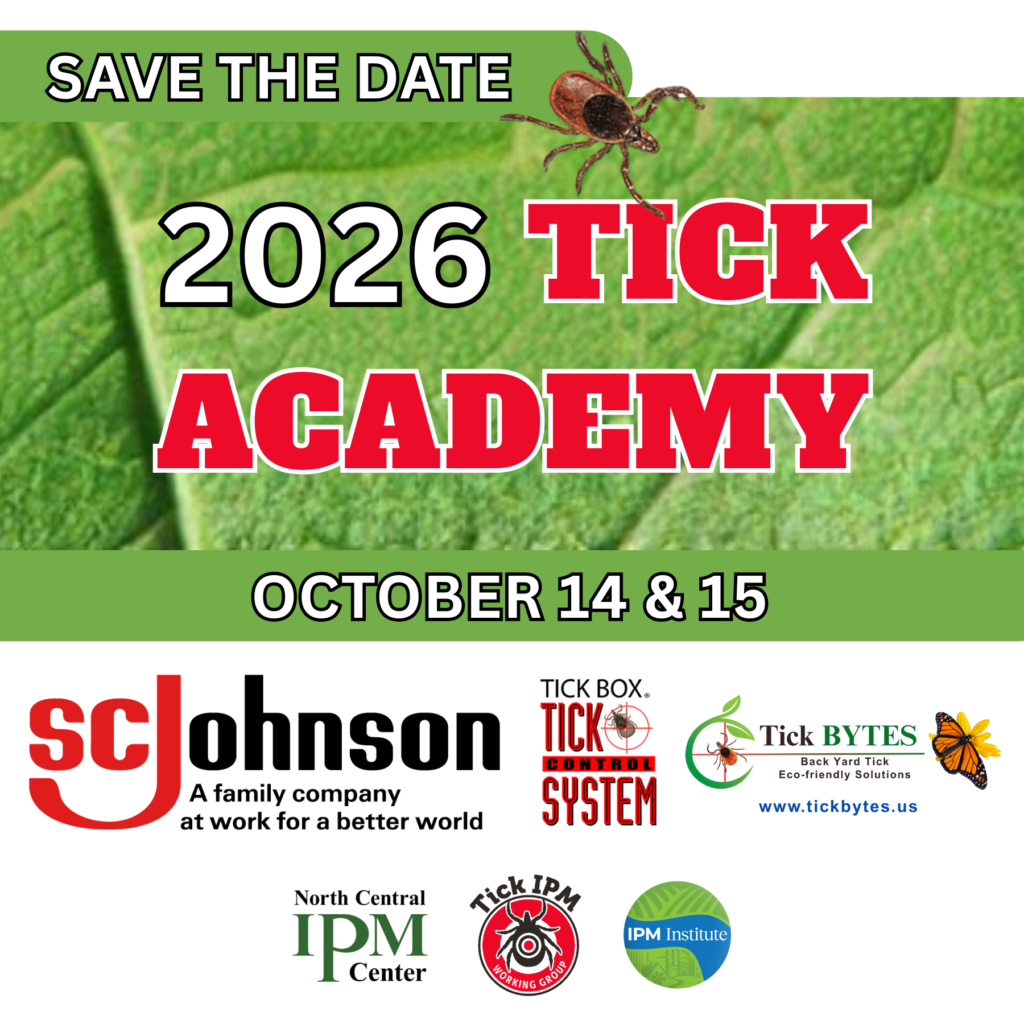
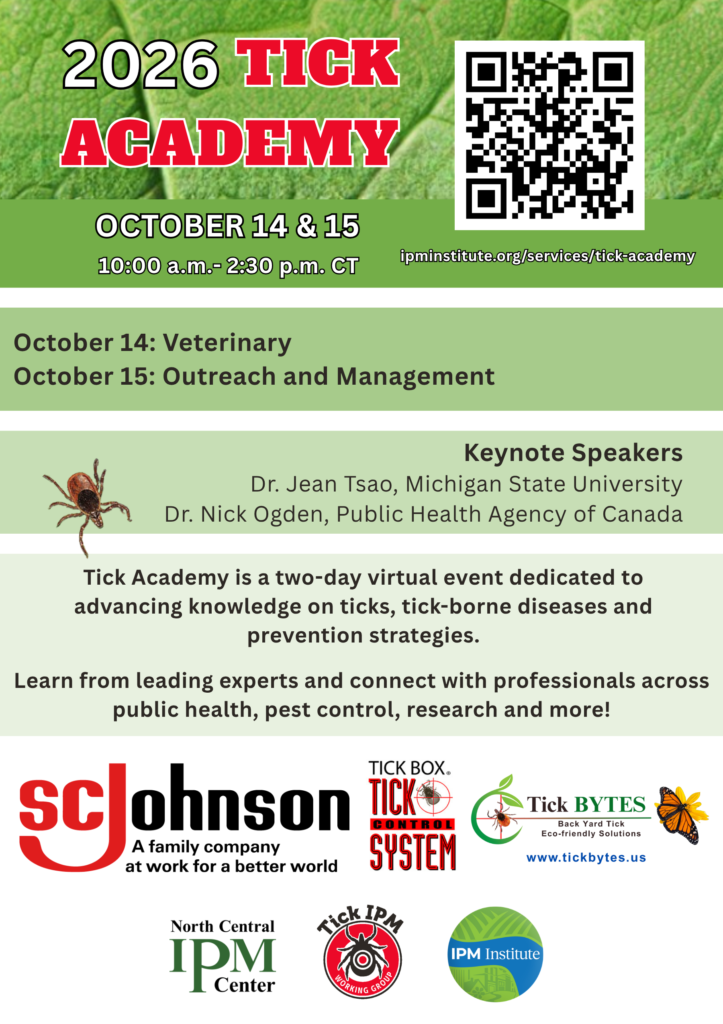
2026 Tick Academy
October 14th and 15th
Join a diverse group of researchers, educators, students, public health professionals, veterinary professionals, pest control experts, public-space managers and citizen scientists at our two-day virtual event dedicated to advancing knowledge on ticks, tick-borne diseases and prevention strategies.
October 14th and 15th, 2026
10:00 a.m.- 2:30 p.m. CT
Keynote speakers:
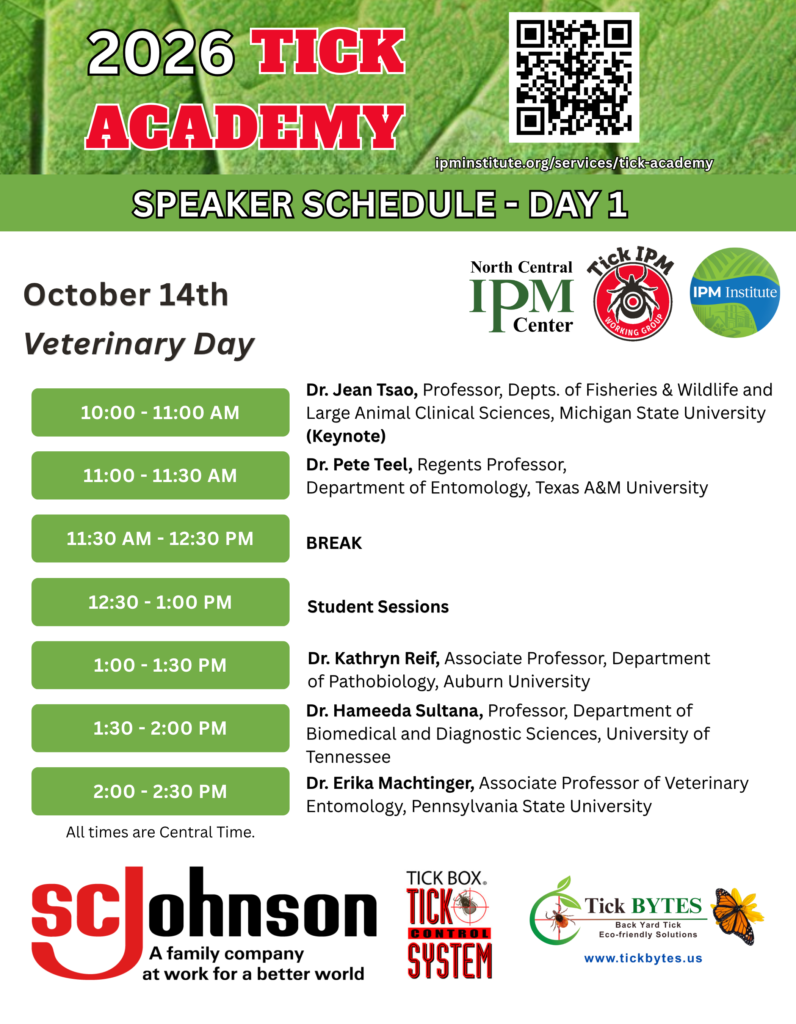
Dr. Jean Tsao, Michigan State University
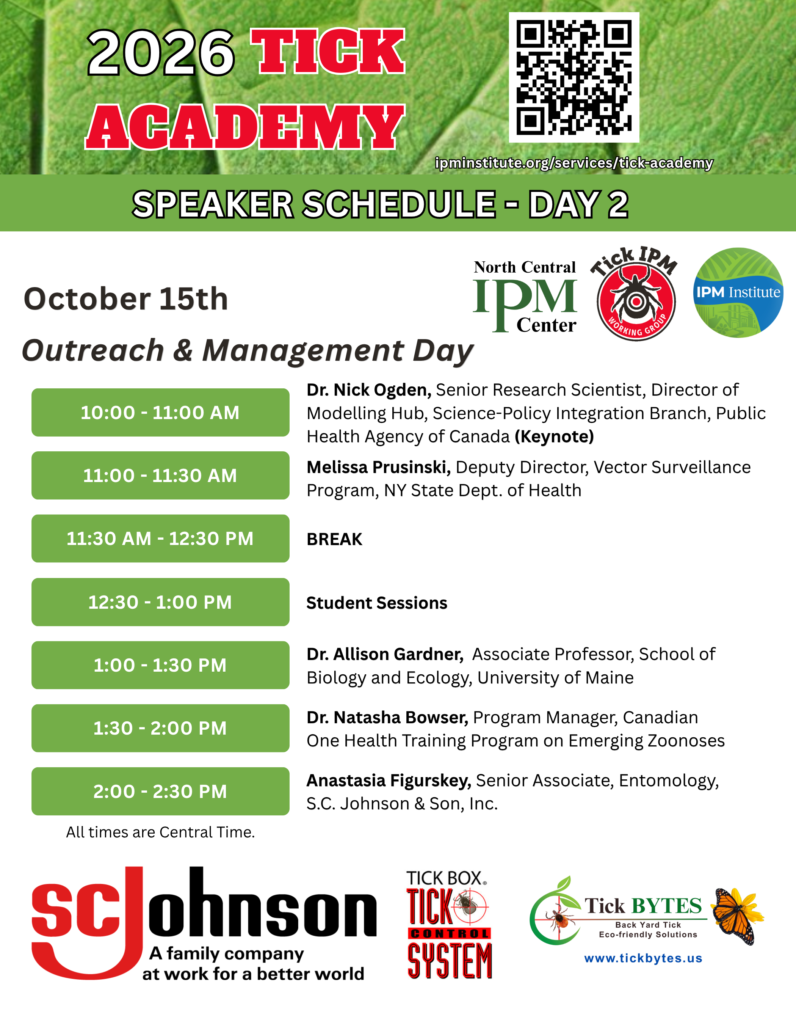
Dr. Nick Ogden, Public Health Agency of Canada
This year’s Tick Academy is scheduled for October 14 and 15, 2026, with the first day focusing on veterinary topics and the second on management and outreach. The event will feature keynote presentations by Dr. Jean Tsao and Dr. Nick Ogden.
Continuing Education
Tick Academy has been approved for up to 6 contact hours of continuing education with the National Environmental Health Association (NEHA).
Click here for October 14 presentation details

Dr. Jean I. Tsao, Keynote speaker
- Session Title: Host-targeted control to reduce tick-borne disease: considerations for future research and implementation
- Description: The magnitude and persistent increase in incidence of tick bites and tick-borne diseases in the US underlies the need to develop alternative, effective approaches to reducing tick bites. Interventions targeting the animal hosts that maintain tick and/or the pathogen populations have been pursued as an approach to complement other tick-bite/tick-borne disease prevention methods. Here I will discuss motivations for using host-targeted control approaches and then provide some considerations for future research and implementation.
- Bio: Dr. Tsao has more than 30 years of experience learning about the ecology of ticks and tick-borne pathogens with implications for improving public health. Together with many colleagues and motivated students, Dr. Tsao has had the privilege to investigate the ecology of Lyme borreliosis in endemic, non-endemic, and emerging areas at local, regional, and continental spatial scales. Funded by the CDC’s Midwest Center of Excellence, NIH, and other sources, current research in Dr. Tsao’s lab includes elucidating the ecological processes underlying the emergence and distribution of ticks and tick-borne pathogens; developing approaches to reduce disease risk by intervening in the enzootic cycle or by changing human behavior; and investigating how interactions between the microbiome and the tick may influence tick phenotypes and disease risk. Dr. Tsao has served as an associate editor for the international journal Ticks and Tickborne Diseases; served as a member of the 2018 Subcommittee for Disease Vectors, Surveillance, and Prevention for the US Department of Health and Human Service’s Tickborne Disease Working Group; and was a co-author of the 2021 Infectious Disease Society of America’s Guidelines for the Prevention, Diagnosis, and Treatment of Lyme disease.
Dr. Pete Teel
- Session Title: Concepts and applications of IPM in the US Cattle Fever Tick Eradication Program
- Description: The cattle fever tick eradication program was established to eliminate the threat of bovine babesiosis through surveillance, detection, and eradication of the two vectors, Rhipicephalus (Boophilus) annulatus and R. (B.) microplus. This presentation will review the evolution and integration of tools and applications used to monitor, identify, and eliminate cattle fever tick infestations with the goal of preventing the reestablishment of these vectors in the USA.
- Bio: Pete D. Teel is a Regents Professor, Department of Entomology, Texas A&M AgriLife Research, College Station, Texas. He holds the Bachelor of Science and Doctor of Philosophy degrees in entomology from Oklahoma State University, and the Master of Science degree in Entomology from Texas A&M University. For more than 45 years, he has studied tick-host-habitat-weather interactions that affect incursions, establishment, and elimination of cattle fever ticks. Pete will review the program mission and the development of tactics used in the eradication of cattle fever ticks over the 120-year history of the US Cattle Fever Tick Eradication Program and 21st century challenges requiring new tactics and integrated approaches. He will discuss recent advances in the development and application of location intelligence data and the integration of data fusion for surveillance, investigation, and quarantine.


Dr. Kathryn Reif
- Session Title: Interrupting Transmission: Investigations into How Rapid Tick Kill and Feeding Behavior Shape Disease Risk
- Description: Rapid tick kill can reduce opportunities for pathogen transmission, but understanding what happens during the interval between tick attachment and tick death or pathogen transmission is equally important. This session will examine how isoxazoline drugs differ in their speed of tick kill and ability to prevent tick-borne pathogen transmission, as well as, explore how electropenetrography may be uniquely leveraged to provide real-time, quantitative insights into how isoxazoline exposure and pathogen infection may influence tick feeding behavior and transmission risk.
- Bio: Dr. Kathryn Reif is the Bailey-Goodwin Endowed Professor in Parasitology and an Associate Professor in the Department of Pathobiology at Auburn University. She also serves as a board member for the Companion Animal Parasite Council and the Companion Animal Vector-Borne Disease World Forum, and is the vice president of the American Association for Veterinary Parasitologists. Her research program integrates vector biology, veterinary parasitology, and applied disease control, with a particular focus on tick feeding biology, pathogen transmission dynamics, and the comparative efficacy of ectoparasiticides—including studies on tick speed of kill and its role in disease prevention. Dr. Reif’s laboratory has pioneered innovative techniques to study vector–host interactions and evaluate parasite transmission dynamics. Collectively, Dr. Reif’s work bridges fundamental vector biology with clinical applications that inform evidence-based parasite management. She is a frequently invited speaker at national and international conferences and is passionate about translating parasitology research into practical solutions for veterinarians, pet owners, and public health professionals.
Dr. Hameeda Sultana
- Session Title: Veterinary Topics
- Description: Targeting arthropod exosomal cargo and related pathway in blocking the transmission of flaviviruses.
- Bio: Dr. Hameeda Sultana is a professor at the University of Tennessee (UT), College of Veterinary Medicine, Department of Biomedical and Diagnostic Sciences. Dr. Sultana received her BS in Biology and MS in Applied Genetics from the Bangalore University in India. She obtained her PhD in Medical Biochemistry from the University of Cologne, Germany and continued her postdoctoral training at the Yale University School of Medicine. She laid the foundation of her research on vector-borne diseases at Yale. She started her independent research laboratory as tenure-track assistant professor at Old Dominion University (ODU) and laid the foundation of novel line of research on Arthropod exosomes at this institution. Dr. Sultana obtained tenured and promotion to associate professor at ODU and was recruited with this same position at University of Tennessee. In last year, she has been promoted to Full Professor with tenure and has been continuing this line of research on arthropod exosomes. Sultana laboratory is the first to work and publish research on tick/mosquito-derived exosomes in mediating flavivirus transmission. Their breakthrough discovery of the presence of full-length flaviviral RNA genomes and polyproteins brough the real highlight on arthropod exosomes. Her current laboratory at UT works on various aspects of infectious diseases and host-pathogen interactions that are directly related to human and animal health. In specific, Dr. Sultana’s research emphasizes vector-borne viral diseases involving flaviviruses as pathogens and ticks/mosquitoes as the medically important vectors. She has published several high impact research in highly regarded journals and has been progressing on this line of research with full enthusiasm and support from the NIH funding.

Dr. Erika Machtinger
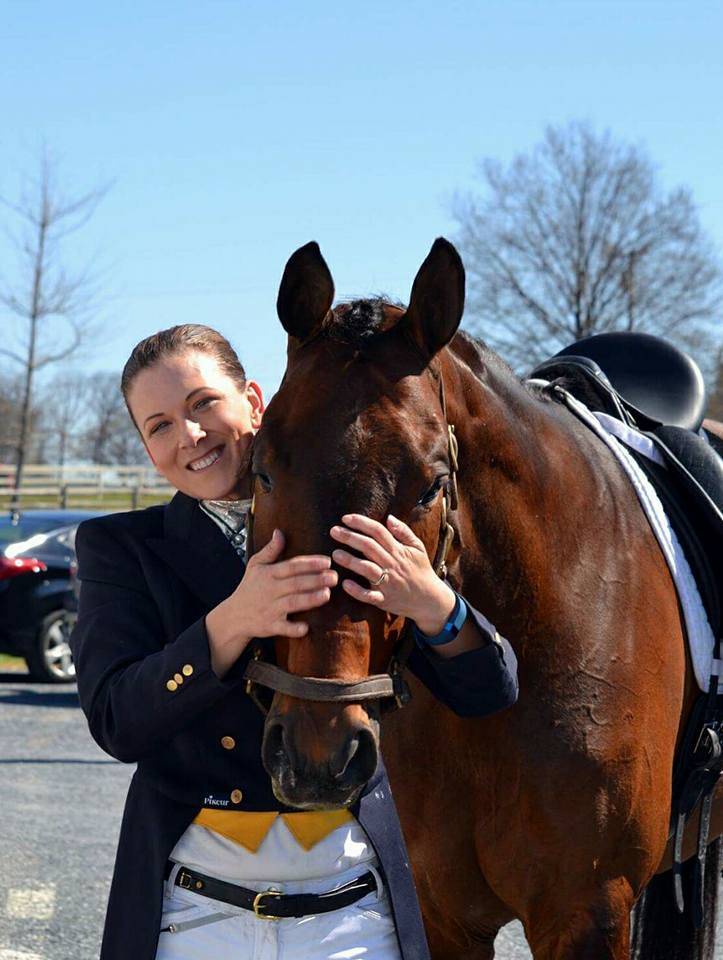
- Session Title: A Tick in the Tack: Understanding and Reducing Tick Risk in Horses
- Description: As with people, ticks and tick-borne diseases are of increasing concern for horse owners and veterinarians, yet practical information on equine tick exposure and prevention remains limited. This session will highlight a community-engaged research program examining ticks on horses from multiple angles. Topics will include community science efforts to document ticks found on horses, surveys of horse owners and veterinarians to better understand perceptions and management practices, and evaluations of practical prevention strategies. Together, these projects aim to identify realistic, evidence-based approaches for reducing tick exposure and improving protection for horses.
- Bio: Dr. Erika Machtinger is an Associate Professor of Veterinary Entomology at Penn State University, where her research and Extension programs focus on ticks, vector-borne diseases, and arthropods affecting livestock, companion animals, wildlife, and people. She directs the VectorED Network, the Penn State Extension Vector-borne Disease team lead, and conducts multidisciplinary research on vector ecology, surveillance, and management using a One Health approach.
Click here for October 15 presentation details

Dr. Nicholas Ogden, Keynote speaker
- Session Title: Emergence of Lyme disease in Canada: A 20-year journey from a hypothesis to a public health reality
- Description: This presentation will describe i) the modelling work that predicted spread of Ixodes scapularis ticks and Lyme disease into Canada; ii) the surveillance that has subsequently tracked the spread of I. scapularis and Lyme disease risk; and iii) attribution of that spread to climate change.
- Bio: Dr. Nick Ogden is a UK-trained veterinarian with a doctorate in vector-borne disease ecology and post-doctoral training in disease modelling. He is a senior research scientist and Director of Modelling Hub division within the Science-Policy Integration Branch of the Public Health Agency of Canada (PHAC), focusing on assessing disease risk by study of the ecology, epidemiology and genetic diversity of vectors and zoonotic and vector-borne micro-organisms. A key component of his work is assessing impacts of climate change on zoonoses and vector-borne diseases, and developing tools for public health adaptation. His team conducts PHAC’s infectious disease modelling encompassing COVID-19, MPOX, vector-borne diseases, and measles in recent years.
Melissa Prusinski
- Session Title: Tick-borne infections and tick-associated conditions in New York State: Updates from the lab and field
- Description: Tick-borne disease is a significant public health burden in New York State, and a growing threat nationally. This talk will provide an overview of active tick and tick-borne pathogen surveillance conducted by the New York State Department of Health (NYSDOH), including newly emerging tick-borne diseases, and delve into related ongoing NYSDOH research.
- Bio: Melissa Prusinski is a Research Scientist, Laboratory Supervisor, and Deputy Director of Vector Surveillance with the New York State Department of Health, Bureau of Communicable Disease Control, Vector Ecology Laboratory, in Albany, NY. Over the past 27 years, her research interests have focused on the epidemiology, vector biology, and landscape ecology of diseases transmitted by ticks, mosquitoes, and other arthropods. She serves as Chief Coordinator of the NYSDOH Statewide Tick-borne Pathogen Surveillance Initiative and was head of the former NYSDOH Tick Identification Service passive surveillance program from 2001-2011. A full listing of her research publications can be found here: https://pubmed.ncbi.nlm.nih.gov/?term=Prusinski%20M&sort=date


Dr. Allison Gardner
- Session Title: Drivers of willingness to pay a tax for tick control on public land
- Description: Despite decades of ecological and entomological research on tick control strategies in residential settings, community uptake of Integrated Tick Management remains low. This session will examine drivers of willingness-to-pay (WTP) for tick control programs on public woodland via a property tax in a region that is strongly impacted by Lyme disease. I will present findings of an economics experiment paired with a survey to 1) empirically estimate residents’ WTP a tax for different tick control methods on public land (i.e., deer culling, invasive vegetation removal, insecticide application); 2) investigate how WTP depends on preferences for control methods, cost of control, and certainty of method efficacy; 3) examine meditators of preference heterogeneity using constructs from the Health Belief Model (perceived severity of disease, perceived susceptibility of disease, perceived benefits of and barriers to intervention); and 4) explore other moderators of preference heterogeneity (conservation values, risk and ambiguity aversion, Lyme disease literacy, and demographic factors). This research contributes to new understanding of how individuals weigh tradeoffs among human, wildlife, and environmental health and the mechanistic drivers of decision-making. Insights gained can serve to guide conservation and public health communication and vector control policy.
- Bio: Allison (Allie) Gardner, Ph.D., is an associate professor in the School of Biology and Ecology at the University of Maine. The major focus of Gardner’s research is the impacts of human behavior and decision-making on vector-borne pathogen transmission in natural resource economies. She has led multiple interdisciplinary projects investigating tick-borne disease ecology and management on private woodland and feedbacks between human mobility and mosquito-borne virus spread in the nature-based tourism industry. Gardner also leads research on tick control in residential settings, integrating entomology, psychology, and economics, as a founding member of the New England Regional Center of Excellence for Vector-Borne Disease. She has pursued her interest in the adoption of scientific research findings at the policy level as an ESA Science Policy Fellow.
Dr. Natasha Bowser
- Session Title: Between awareness and action: Exploring human behaviour in tick-borne disease prevention
- Description: Awareness of tick-borne diseases, including Lyme disease, does not always translate into the adoption of preventive behaviours. This presentation will share research findings from Canada that provide insight into how Canadians are adapting to the growing risk of ticks and tick-borne diseases. It will explore key barriers and facilitators that influence preventive action, while also examining the broader ways in which ticks affect people’s lives beyond infection alone. By highlighting the diverse experiences and responses of Canadians, the presentation will offer a nuanced perspective on risk, experience, and adaptation.
- Bio: Natasha Bowser began her career as a practising veterinarian, spending eight years in clinical practice in the United Kingdom and Canada before pursuing graduate studies and a career in research. Natasha holds a Bachelor’s degree in Veterinary Medicine from the Royal Veterinary College (UK); a Master’s degree in One Health from the University of Edinburgh (UK); and a PhD in Veterinary Sciences (epidemiology option) from l’Université de Montréal (Canada). Her PhD explored how Canadians are adapting to ticks and tick-borne diseases using qualitative and quantitative methods. Natasha currently serves as program manager for Canopy, the Canadian One Health Training Program on Emerging Zoonoses, where she facilitates cross-disciplinary collaboration and delivery of training opportunities for researchers across Canada.


Anastasia Figurskey
- Session Title: Ticks and Personal Repellents
- Description: This presentation will provide an overview of medically important tick species in the United States, along with a review of the active ingredients commonly used in personal repellent products. We will also describe methods used to evaluate topical repellent efficacy against ticks and highlight some resources for staying informed about tick prevention and control.
- Bio: Anastasia Figurskey is a repellents entomologist at an international consumer packaged goods company that manufactures insect repellent products. She supports the company’s global pest control efforts in developing, testing, and registering topical repellents to be used against mosquitoes, ticks, and other biting arthropods. Her presentation will describe the different topical repellent active ingredients used against ticks, types of products, test guidelines for product registration, and helpful resources to learn more about ticks and protection measures.
The event will also include five student presenters from the University of Arizona, Rutgers University, Egerton University, University of Georgia and Ohio State University. Topics include Rocky Mountain spotted fever, nest boxes for surveillance, attract-and-kill devices for sustainable tick management, SFG Rickettsial tick-borne pathogens collected from ticks off American black bears, and the roles of birds in tick-borne disease transmission.
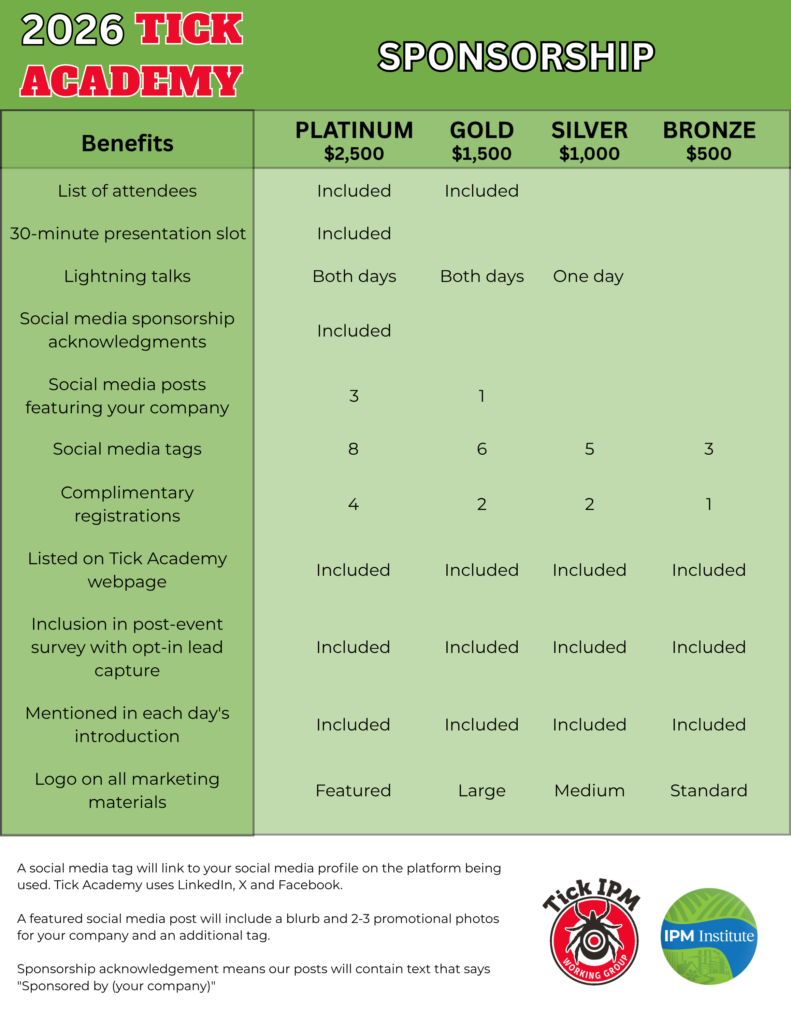
Want to sponsor this year’s Tick Academy?
Platinum sponsorship is SOLD OUT! To sponsor at the Gold, Silver or Bronze level, contact Nikki.
Thank you to our sponsors!




Founded in 1886 and headquartered in Racine, Wisconsin USA, SC Johnson believes that a more sustainable, healthier and transparent world that inspires people and creates opportunities isn’t just possible – it’s our responsibility …
As a global, purpose-led company, we are committed to making the world a better place today and for future generations. That means relentlessly bringing our expertise in science, innovation and partnerships to bear on some of the world’s most pressing environmental and health issues like reducing plastic waste and eradicating malaria. Around the world, we use our resources to unlock greater economic and educational opportunities for people and communities where access may be limited, but curiosity and potential are limitless.
For more than six decades, we’ve been working to understand arthropod pests, reduce the annoyances they cause and help prevent the diseases they may carry. We opened our first entomology research center in 1957, the same year we launched our first personal repellent.
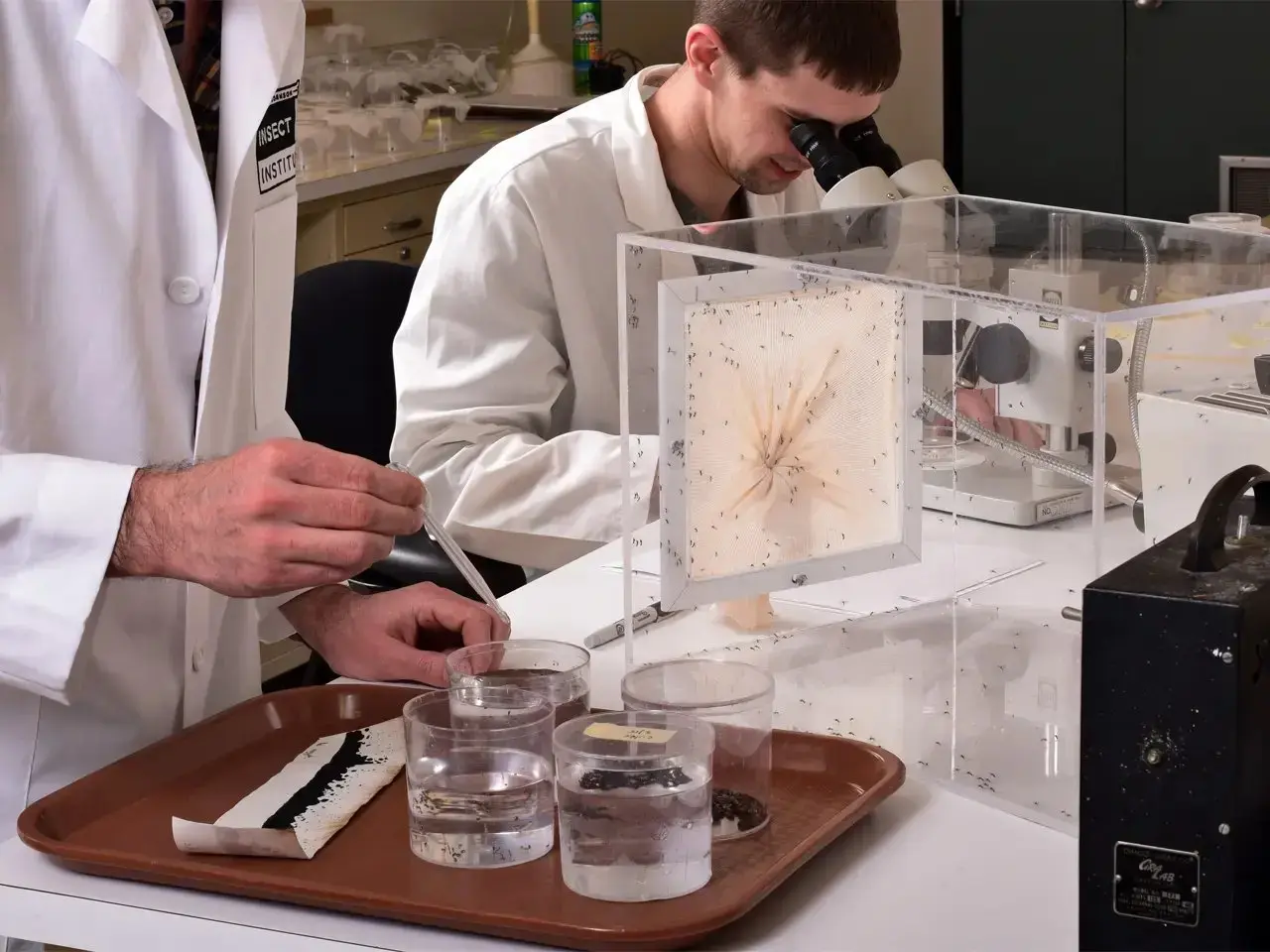
One of the world’s largest private urban entomology research facilities, the SC Johnson Center for Insect Science and Family Health™ has two main priorities: product evaluation and development, which focuses on creating personal and area repellents and insecticides, as well as applied entomology research, where researchers study arthropod behavior and work to identify the best pest-control strategies. Both areas are supported by a world-class insect-rearing facility known as the Insectary, which houses about 20 species of arthropod pests.
Research from our entomologists informs our efforts to help address the spread of vector-borne diseases around the globe and educate families about how to protect themselves.
Tick BYTES (Back Yard Tick Eco-friendly Solutions) is an innovative do-it-yourself, step-by-step pest control model designed to engage, educate and empower homeowners, neighborhoods, and communities. Barb & Bob Maurais, former co-founders of Mainely Ticks, will teach you how to reduce pests, especially ticks and mosquitoes, by integrating behavioral and cultural control strategies, utilizing time-tested application techniques, employing affordable battery powered backpack sprayers, and embracing eco-friendly chemistry. Tick BYTES is again partnering with the Tick IPM Working Group to donate 200 tick kits to Indian Health Services located in Minnesota and Wisconsin! …
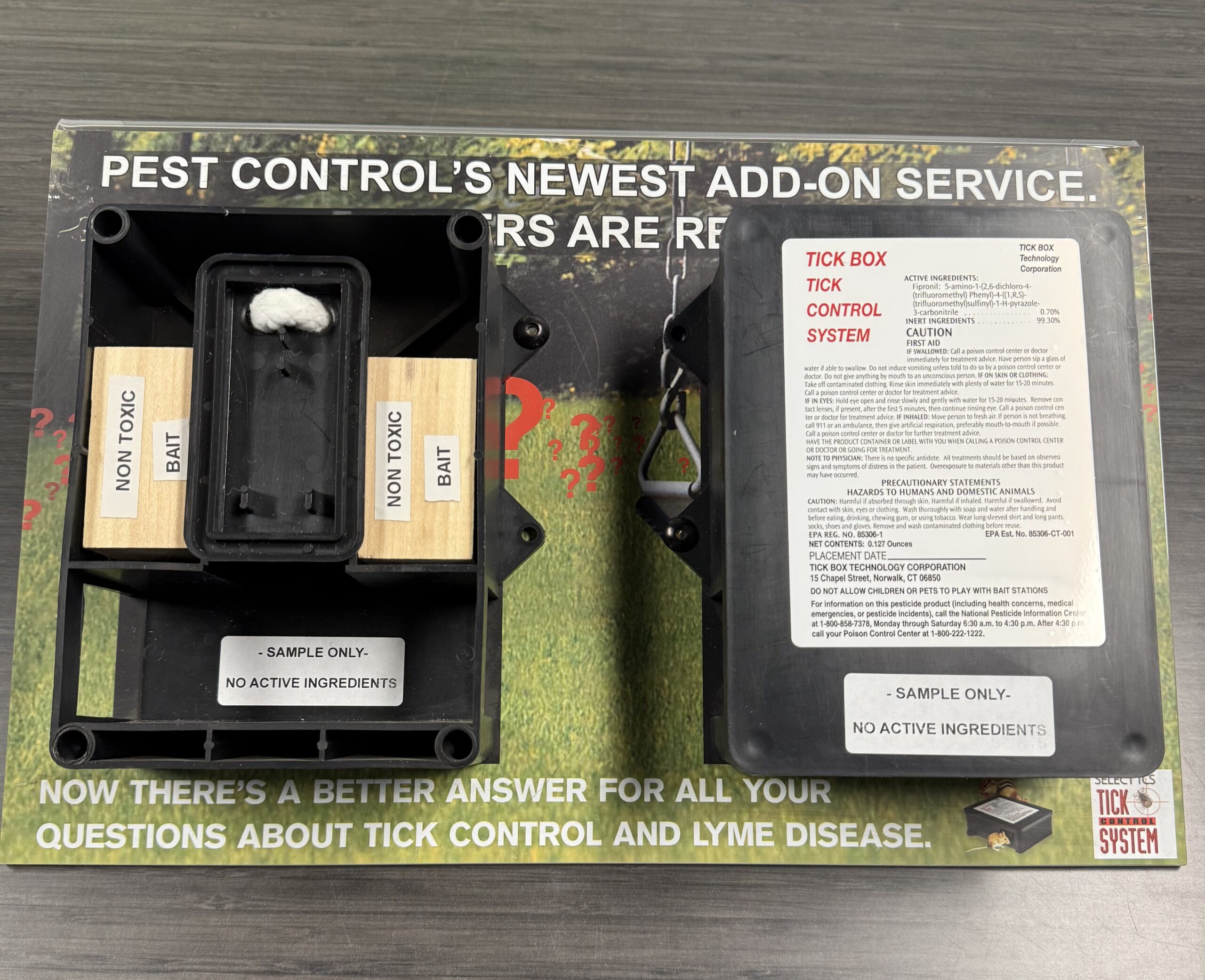
The Tick Box Tick Control System was developed in cooperation with researchers at the Centers for Disease Control and Prevention (CDC). The Tick Box® treats and kills ticks on both chipmunks and mice (host animal) which are the reservoirs of the bacteria that causes Lyme Disease. The Tick Box achieves over 97% control of the questing tick population and interrupts the transmission cycle of Lyme Disease; no other product can make that claim. …

This project is funded through the North Central Integrated Pest Management Center. This work is supported by the Crop Protection and Pest Management Program, project award no. 2022-70006-38001, from the U.S. Department of Agriculture’s National Institute of Food and Agriculture.

