

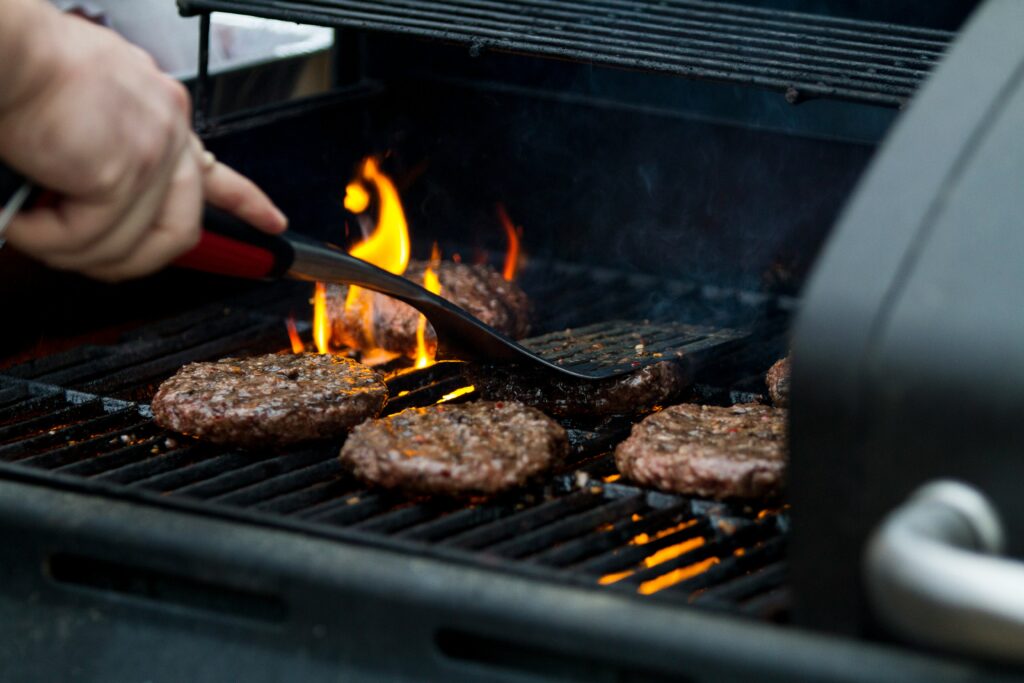
Summer cookouts have a menu. Burgers, brats, ribs, hot dogs, all of it sizzling over charcoal while someone insists their potato salad recipe is the best one there. For a growing number of Americans, though, that spread is off limits, and the reason is a tick.
It’s called alpha-gal syndrome, and it is an allergy to red meat. Not an intolerance, not a preference. A genuine, sometimes dangerous allergic reaction to beef, pork, lamb, and other mammal meat, triggered by a bite from a tick. For the host firing up the grill and the guest standing a careful distance from it, it’s worth understanding what this is and how to navigate it.
How a Tick Bite Turns Into a Food Allergy
The lone star tick, the main culprit in the United States, carries a sugar molecule called alpha-gal in its saliva. That same sugar is present in the meat of most mammals, but not in people. When the tick bites, it can transfer alpha-gal into the bloodstream, and in some people, the immune system learns to treat that sugar as a threat. After that, eating red meat can set off an allergic reaction.
Eleanor Saunders, MD, MPH, an infectious diseases physician at the University of North Carolina who studies alpha-gal syndrome, explains that it differs from the rest of the tick-borne field in a fundamental way: unlike Lyme, babesiosis, or anaplasmosis, it isn’t a tick-borne infection; it’s a tick-borne allergy. And when that allergy affects people’s ability to eat red meat, it grabs attention.
The Reaction That Hides Its Own Cause
What makes alpha-gal especially tricky is timing. With most food allergies, the reaction comes fast, within minutes, so the cause is obvious. Alpha-gal is different. Symptoms usually appear two to six hours after eating, which means a steak at a 6 p.m. cookout can become hives, stomach pain, or worse at bedtime, long after most people would connect it to dinner.
The reactions themselves range from mild to life-threatening: itchy hives, nausea, severe stomach pain, diarrhea, trouble breathing, a drop in blood pressure, or full anaphylaxis. They also vary from person to person and even from one exposure to the next, so the same food might cause a mild reaction one day and a severe one another. That unpredictability is part of why the condition can be frightening to live with, and why a severe reaction is a medical emergency.
There’s one more wrinkle that complicates the picture: the allergy can show up well after the bite that caused it. It can take weeks to months between the tick bite and the first reaction, so most people never link the two.
It’s Not Just the Steak
For someone with alpha-gal, the obvious foods are easy enough to spot. The harder part is everything alpha-gal hides in. According to the CDC, beyond the beef, pork, and lamb on the grill, the sugar can turn up in gelatin, broths and gravies, and foods cooked with lard, tallow, or other mammal fat. Dairy contains it too, though many people with the condition can still tolerate milk products.
It reaches past the kitchen as well. Some medications and medical products contain alpha-gal in their coatings or stabilizers, and certain medical products, including some heart valves and medications, are mammal-derived. Not everyone reacts to these, but it means managing the allergy is more involved than just skipping the burger.
The reassuring flip side: plenty of cookout food is naturally safe. Poultry, fish and seafood, and eggs contain no alpha-gal, along with all the fruits and vegetables.
The Bigger Picture
Alpha-gal isn’t rare, and it isn’t shrinking. The CDC has identified more than 110,000 suspected cases since 2010, and because the condition isn’t nationally reportable and is easy to miss, the agency estimates the real number could be far higher. The lone star tick that drives it is expanding its range into places where neither residents nor their doctors are watching for it.
So, enjoy the cookout. The odds are still strongly in favor of your burger being just a burger. But the best protection against alpha-gal is the same as for every other tick-borne problem: avoid the bite in the first place. Use repellent, do a tick check after time outside, and maybe expand your barbecue menu to include more chicken, fish, and vegetarian options.
Emerging tick-borne conditions are on the agenda at the IPM Institute’s Tick Academy, a two-day virtual event on October 14 and 15.

