Sustainable Communities Group
About Us
Sustainability Strategies for Those Most Important to You
The places where people live, learn, and work deserve the same science-based pest management that protects our food supply. The IPM Institute of North America’s Sustainable Communities Group brings that expertise to schools, parks, and facilities — educating organizations and certifying providers.
Most pest control is still reactive — something shows up, you spray it. We’ve spent years building a better approach and making it accessible to organizations of every size and budget.
Safer pest management in your community shouldn’t be complicated. With Sustainable Communities Group, it isn’t.
Our Approach
Safer, more effective pest management doesn’t happen by accident. It happens when the right people have the right knowledge — and when providers are held to a standard that means something.
That’s why everything we do falls into two categories: we educate, and we certify.
We also convene the researchers, public health professionals, pest managers, and community organizations working on these problems — because the hardest challenges in community pest management don’t get solved in isolation.
Educate
We offer online training for every level of your team — from facility managers and custodians to school nurses and landscapers — so your teams can make smarter pest management decisions.
Certify
We certify pest management providers so their customers can trust that prevention-first, science-based practices are actually being used, not just promised.
Our Services
Working Together for a Better Community
Green Shield Certified
Anyone can claim they use safer pest control. Green Shield Certified proves it. It is our independent, third-party certification program for pest management companies, facilities, and landscape businesses. It sets a higher bar — requiring prevention-first strategies that get to the root of pest problems and minimize pesticide use — and gives customers real confidence in the pest control they’re receiving.
For pest management providers, Green Shield Certified is a science-based credential that sets you apart in a crowded market. For facilities and schools choosing a provider, it’s the clearest signal available that the company you’re hiring is doing it right.
Learn more about becoming Green Shield Certified or find a provider.
Tick IPM
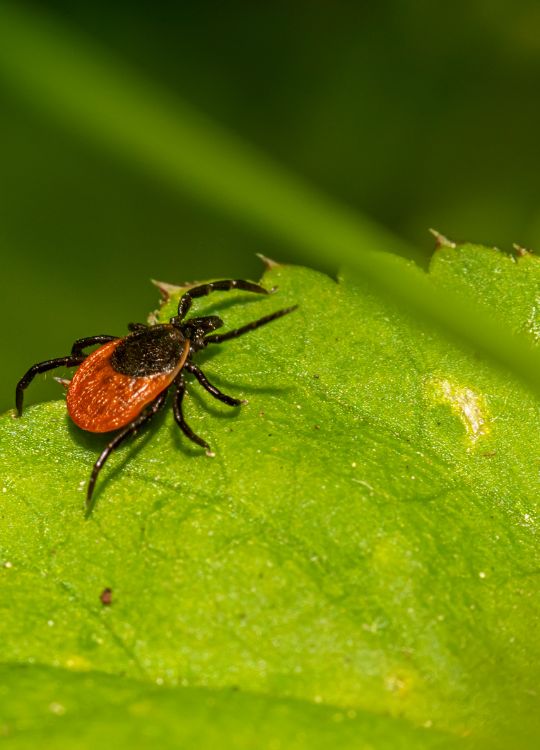
Tick-borne disease is one of the fastest-growing public health challenges in the country, and the organizations responsible for managing it are often working without adequate guidance or resources.
Through our Tick IPM Working Group, we bring together public health professionals, pest managers, researchers, and community organizations to share what’s working and to advance integrated tick management strategies. Our free monthly webinars keep practitioners up to date year-round.
Tick Academy is our annual, two-day virtual event — a gathering of the people working at the front lines of tick-borne disease prevention. Attendees learn from leading experts, exchange strategies, and leave with practical tools they can use in the field.
School IPM
Children spend a significant portion of their lives in school buildings. The pest management decisions made there — what gets used, how, and when — directly affect their health and the health of the staff who work alongside them.
Our Pest Defense for Healthy Schools program offers free, online, self-guided training tailored to every K-12 staff role — from custodians and food service teams to nurses, administrators, and pest management professionals working in school settings. No budget required. No prior knowledge needed.
Projects & Initiatives
Growing Sustainability in Communities

Green Shield Certified
Accredits providers of effective, prevention-based pest control while minimizing the use of pesticides.
Tick IPM Working Group
Organizes & expands the network working to reduce the risk of exposure to infected ticks through collaboration.
Pest Defense for Healthy Schools
Promotes risk-reduction and improvements in environmental health and safety in childcare facilities and schools.
Tue Jun 1
Tick Populations May Be Higher Than Last Summer
Mild winters and an upward trend in climate both are contributing to an increase in tick populations this year. Since…
Wed Jan 6
Recent study published that utilized citizen science to help predict the distribution of black-legged ticks
Ticks and tick-borne diseases are expanding and its import to monitor their distributions. Surveillance is usually passive and relies on…
Thu Sep 17
Nootkatone, an effective and safe alternative to repelling ticks, receives EPA registration
Last month, Nootkatone received EPA registration. Nootkatone is a naturally-derived substance from cedar and grapefruit. Initial results from research trials…